April 1, 2026 • 8 min read
How to Clean and Maintain Your Epoxy Floor: The Complete Guide
Daily, weekly, and yearly care that keeps your Montgomery epoxy floor looking brand new for 20+ years.
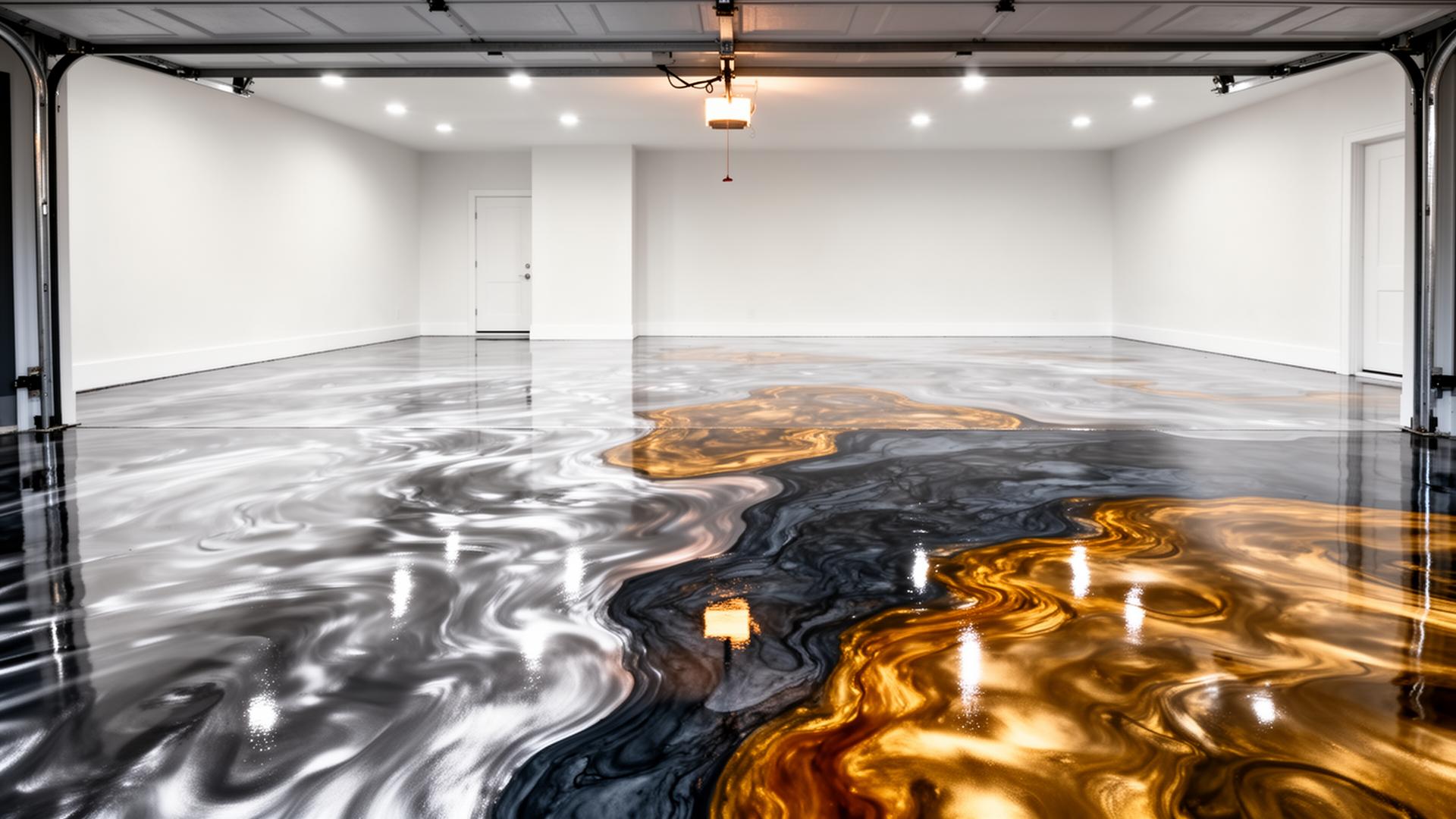
A professionally installed epoxy or polyaspartic floor needs less maintenance than any other hard surface in your home. But 'less' isn't zero, and a few simple habits can mean the difference between a floor that looks 5 years old at 5 years and one that still looks brand new at 15. Here's the complete maintenance protocol we hand to every Montgomery customer at the final walk-through.
Daily and Weekly: Just Sweep
A dust mop or soft-bristle broom once a week is the single highest-impact maintenance habit for any epoxy floor. Grit and small debris act like sandpaper under shoes and tires; sweeping them up before they get ground into the clear coat extends the life of the finish by years.
For garages, a quick sweep every other Saturday morning before the weekend is plenty. For basements, a weekly pass with a microfiber dust mop handles it.
Monthly: Mop With Mild Soap
Once a month, mop the floor with warm water and a few drops of mild dish soap (Dawn works perfectly). Don't use harsh chemicals, acidic cleaners (vinegar, citrus-based), or abrasive scrub pads — they can dull the clear coat over time.
A clean microfiber flat mop works better than a string mop for epoxy. The flat mop picks up dirt rather than pushing it around.
Spill Response: Wipe Within 24 Hours
Epoxy resists almost every household chemical, automotive fluid, and food spill — but 'resists' doesn't mean 'ignores forever.' Wipe up oil, brake fluid, antifreeze, paint, and any acidic spills within 24 hours and the floor is unaffected. Leave them for weeks and even epoxy can develop subtle staining.
Battery acid is the one exception worth noting — it can etch even premium epoxy if left in contact for hours. Wipe immediately and rinse with water.
What Not to Use
Pure vinegar or any acidic cleaner over time. Citrus-based degreasers can soften the clear coat. Steel wool, metal scrapers, or abrasive scrub brushes. Pressure washers above 1,500 PSI on the surface (rinse only, don't scour). Salt or ice melt left to puddle (rinse if you track in winter road salt).
Annual: Inspect and Address
Once a year, walk the floor in good light and look for any cosmetic damage — small chips, scratches, or dulling in heavy-traffic areas. Small chips should be addressed within a few weeks with a touch-up epoxy from our shop (we provide free touch-up product to every customer in the first 12 months). Dulling in high-traffic areas can be polished with a soft buffing pad to restore shine.
Every 10-15 Years: Refresh Clear Coats
The base coat of a professional epoxy or polyaspartic floor lasts the life of the slab. The clear coats, however, take all the wear — and after a decade of vehicle traffic or heavy foot use, they can begin to look dull or develop micro-scratches.
We offer a clear coat refresh service: light sand of the existing top coat, two fresh UV-stable polyurethane clear coats, back in service in 24-48 hours. Cost is typically $1,000-$1,500 for a 2-car garage and the floor looks brand new for another decade. Most customers do this once in the floor's lifetime.
What About Snow and Salt?
Alabama doesn't see much snow but we do see road salt on tires during cold snaps. Salt will not damage epoxy or polyaspartic in the short term, but salty water left to pool can leave a white residue on the surface. Mop it up when you notice it; nothing more is needed.
Floor Mats and Furniture Pads
A walk-off mat at the garage entry catches grit before it hits the coating. Felt pads under workbench and storage shelving legs prevent point-load scratches. Beyond those two simple additions, no special care is needed.
Questions?
Every Capital City Epoxy installation includes a final walk-through where we cover all of the above in person and answer maintenance questions specific to your floor. Lifetime maintenance questions are always free — call (334) 555-0183 any time.